Pumpkin Mini Embroidery: A Designer’s Holiday Review
As an embroidery designer who spends countless hours analyzing stitch paths and color palettes, I approach every new machine embroidery design with a critical eye. It is not just about whether the file runs smoothly on the machine; it is about how that design translates into a tangible, sellable product for the end consumer. When I first loaded the Pumpkin Mini Embroidery file into my software, my immediate impression was one of understated charm. This is not a loud, chaotic graphic screaming for attention. Instead, it brings on those cute and cozy fall vibes with a quiet confidence that feels perfect for the modern handmade market.
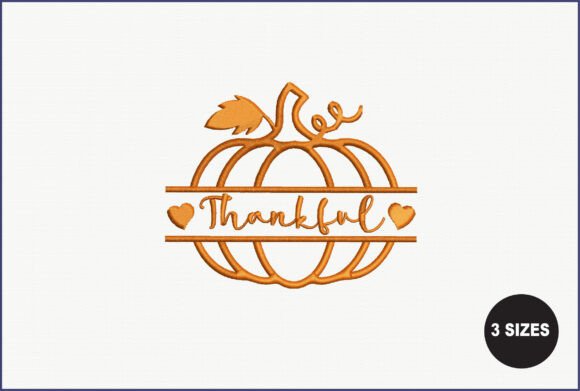
The textured pumpkin motif strikes a delicate balance between rustic nostalgia and contemporary minimalism. For those of us building seasonal collections, this distinction is vital. Many holiday designs lean too heavily into cartoonish aesthetics or overly complex details that do not scale well. This design, however, offers a decorative style that feels both festive and elegant. It captures the essence of autumn without being restricted solely to Halloween spooky themes or traditional Thanksgiving turkeys. This versatility is exactly what I look for when curating a small shop product line that needs to appeal to a broad audience from September through November.
Real-World Application for Seasonal Sellers
Let us discuss how this digital embroidery file performs in real selling situations. As an Etsy seller or craft fair vendor, you know that versatility drives sales. The fact that this package includes eight formats and five sizes in a single zip file is a significant advantage. It means you are not limited to one type of garment or accessory. I immediately envisioned this design on a variety of products that dominate the fall shopping season.
First, consider apparel. A small placement of this pumpkin on the left chest of a cream or oatmeal-colored sweatshirt creates an instant bestseller. Sweatshirt embroidery has seen a massive surge in popularity, and buyers love subtle, high-quality details over large, stiff graphics. The textured nature of the pumpkin adds depth to the fabric, making the finished product feel premium. Beyond sweatshirts, think about tote bags. A tote bag design featuring this mini pumpkin, perhaps repeated in a small pattern or placed centrally with a monogram, appeals to customers looking for reusable, stylish grocery or market bags.
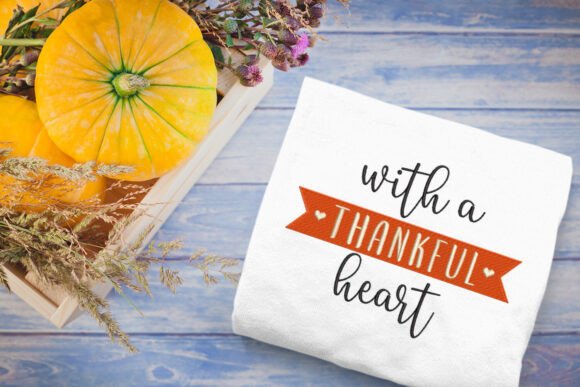
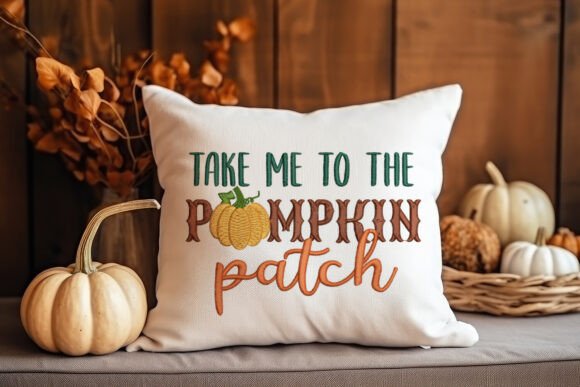
Home decor is another lucrative avenue. Imagine this stitched onto linen kitchen towel embroidery projects. The contrast of the orange and brown thread colors against white or natural linen is visually striking and highly photogenic for social media previews. It also works beautifully on pillow covers, adding a touch of seasonal warmth to living room sofas. For those creating gifts, baby items such as bibs or onesies benefit greatly from the "cute" factor of this design. It is gentle enough for infants yet festive enough for family photos during the holidays.
Strategic Placement and Technical Considerations
While the aesthetic appeal is strong, we must address where this design should be used carefully. As a professional, I always advise checking the stitch density before running a full production batch. Textured designs can sometimes have higher density to achieve that dimensional look. If you are stitching on stretchy garments like jersey knits, using the proper stabilizer is non-negotiable. Without it, the fabric may pucker around the pumpkin, ruining the clean lines of the design.
Additionally, consider the hoop size relative to the item. While the design comes in five sizes, placing even the smallest version on a curved cap requires careful hooping techniques to avoid distortion. For dark fabrics, you must test your thread colors rigorously. Standard orange threads may not pop against navy or black fleece. You might need to incorporate a satin stitch border or choose lighter, golden-hued threads to ensure the pumpkin remains visible and vibrant. Metallic threads can add a luxurious touch, but they require slower machine speeds and specific needles to prevent breakage, so plan your production time accordingly.
Another critical area is washability. Items like kitchen towels and baby clothes undergo frequent washing. Ensure that your thread choice is colorfast and that the backing is trimmed close to the stitch line to prevent irritation or unraveling. A high-quality finished product is defined by its durability as much as its initial appearance. Customer trust is built when a gift survives the holiday season and remains beautiful months later.
Enhancing Brand Consistency and Emotional Appeal
Beyond the technical execution, we must consider the emotional impact of the design. Holiday shopping is driven by emotion. Buyers are looking for items that evoke feelings of warmth, family, and tradition. The Pumpkin Mini Embroidery design supports this by offering a sense of coziness. It is not aggressive; it is inviting. This emotional tone helps in creating cohesive brand consistency. If your shop focuses on handmade, rustic, or farmhouse-style goods, this design fits seamlessly into your existing narrative.
When creating printable mockup graphics for your online listings, use this design to tell a story. Show the embroidered patch on a wool coat, the pumpkin on a ceramic mug sleeve, or the design on a wooden ornament. These visual cues help customers imagine the product in their own lives. For personalized gift options, consider pairing the pumpkin with a simple, clean font for names or dates. However, be cautious with tiny lettering near the textured pumpkin; ensure there is enough spacing so the stitches do not merge, which can happen if the design elements are too close together.
Practical Notes for the Commercial Embroiderer
Before you launch your seasonal campaign, there are a few final checks to perform. First, confirm the commercial licensing terms included with your purchase. While most digital files allow for physical sales, it is essential to verify that you can sell the commercial embroidery products you create. Second, create realistic mockups that show the texture. Flat images do not do justice to the dimensional quality of this pumpkin. Use lighting in your photos to highlight the raised stitches.
Finally, plan your color palettes in advance. Do not wait until orders come in to decide on thread colors. Create standard combinations that work across your product line—perhaps a classic orange and green, a muted sage and terracotta for a modern look, or gold and cream for a more elegant feel. Having these presets ready speeds up production and ensures consistency across different items like aprons, table linens, and patches.
In conclusion, the Pumpkin Mini Embroidery design is a robust addition to any autumn collection. It offers the flexibility needed for diverse products, from embroidered patch applications to direct garment decoration. By paying attention to stabilizer choices, thread contrasts, and strategic placement, you can transform this simple file into a high-value asset for your business. It captures the spirit of the season while maintaining the professional quality that discerning customers expect from handmade goods. Whether you are preparing for a craft fair drop or updating your online store for the holiday rush, this design provides the perfect blend of festive charm and practical usability.