Gallbladder and Bile Ribbon Embroidery Review
As an embroidery designer who has spent years digitizing logos for small businesses, I approach every new machine embroidery design with a critical eye. It is not just about whether the image looks pretty on a screen; it is about how it translates to fabric, how it holds up in the wash, and ultimately, how it serves the brand identity of the client. Recently, I evaluated the Gallbladder and Bile Ribbon Embroidery design, specifically looking at its potential for small business merchandise and branded patch use. This is not merely a decorative element; it is a tool for awareness and community connection.
First Impressions: Professionalism Meets Advocacy
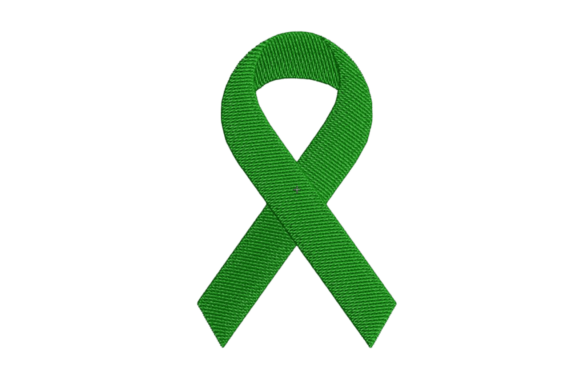
The first thing that strikes you about the Gallbladder and Bile Ribbon Embroidery is its clarity. In the world of Awareness campaigns, simplicity is key. The distinctive teal ribbon is instantly recognizable to those within the community, yet subtle enough to serve as a sophisticated accent on professional apparel. From a design perspective, it feels modern and clean. It avoids the clutter that often plagues awareness graphics, opting instead for bold lines and clear color blocking. This makes it feel premium rather than purely promotional. For a boutique or a handmade shop, this level of refinement is crucial. It signals that the brand cares about quality, which builds immediate customer trust.
Real-World Applications for Small Business Merch
When I review a digital embroidery file, I immediately brainstorm where it can live on a physical product. The versatility of this ribbon design allows it to function across various categories of small business merch. Here is how I envision it performing in real commercial scenarios:
- Embroidered Patches: This is perhaps the strongest application. A satin-stitch border around the teal ribbon creates a durable, high-value patch that can be ironed or sewn onto jackets, bags, or hats. Patches are trending heavily in the Etsy marketplace, and an awareness-themed patch appeals to a niche but passionate audience.
- Staff Uniforms and Aprons: For cafes, bakeries, or creative studios that want to show community support, placing this design on the chest pocket of an apron or the sleeve of a work shirt is effective. It adds a layer of personality to custom apparel without overwhelming the primary business logo.
- Cap Embroidery: The curved surface of a baseball cap requires designs that are compact and horizontally balanced. The ribbon shape fits naturally into the standard 2.5-inch width constraint of most cap fronts, making it an ideal candidate for cap embroidery.
- Tote Bag Design: Canvas tote bags are staples for florists and bookshops. Embroidering this ribbon near the handle or as a corner accent elevates the bag from a simple carrier to a statement piece. The texture of the thread against the canvas adds tactile interest that prints cannot achieve.
Navigating Technical Challenges in Production
While the design is visually strong, any experienced embroiderer knows that technical execution is where projects succeed or fail. There are specific areas where the Gallbladder and Bile Ribbon Embroidery requires careful handling. First, consider the stitch density. Ribbons often involve satin stitches, which can pull on lightweight fabrics if the density is too high. When working on thin materials like silk blends or lightweight polyesters for uniforms, it is essential to use a proper cut-away stabilizer to prevent puckering.
Secondly, size matters. If you are shrinking this design for a tiny label or a small lapel pin, you must check if the details hold up. Tiny lettering, if included in any variant of the file, may become illegible below one inch. Always test the design at its smallest intended size before running a full production batch. Additionally, when working on textured fabrics like terrycloth towels or heavy denim, the contrast between the teal thread and the background must be sharp. On dark uniforms, ensure the teal is bright enough to pop, or consider adding a white underlay or border to enhance visibility.
Impact on Brand Identity and Customer Engagement
Why should a business invest in this specific design? It comes down to brand identity and emotional connection. Modern consumers, especially those supporting handmade brands, look for values alignment. By incorporating the Gallbladder and Bile Ribbon Embroidery into your product line, you are signaling empathy and community involvement. This fosters a deeper sense of loyalty among customers who share these values or know someone affected by gallbladder and bile duct diseases.
Furthermore, embroidered items perceive higher value than printed ones. An embroidered patch or a directly stitched logo suggests durability and craftsmanship. This perception allows small businesses to justify higher price points for their finished product. Whether it is a limited-edition tote bag or a staff uniform, the tactile quality of the embroidery enhances the overall presentation of the brand. It moves the item from being mere merchandise to being a keepsake.
Practical Designer Notes for Best Results
Before you load this embroidery file into your machine for a commercial run, follow these practical steps to ensure quality control. These notes are derived from years of troubleshooting production issues:
- Test in Black and White First: Before committing to teal thread, stitch out the design in black thread on white fabric. This helps you identify any spacing issues, jumps, or density problems without wasting expensive colored thread.
- Check Hoop Size Compatibility: Confirm that the design fits comfortably within your available hoop. While ribbons are generally small, ensure there is enough margin for the hoop clamps to grip the fabric securely without distorting the design area.
- Review Thread Color Contrast: Teal can vary significantly between thread brands. Compare your physical thread spools against the design preview. If the teal is too dark, it may look like navy blue from a distance. Adjust the color map in your software if necessary to match the official awareness shade.
- Create a Printable Mockup: Use a printable mockup to show clients how the design will look on different garments. Place it beside other design assets to ensure visual consistency. This step is vital for client approval and prevents misunderstandings about placement and scale.
- Verify Commercial Licensing: This is critical. Before selling any items featuring the Gallbladder and Bile Ribbon Embroidery, confirm the license terms of the digital file. Ensure you have the right to use it for commercial embroidery projects. Never assume a personal purchase includes commercial rights.
Final Verdict for Embroidery Professionals
The Gallbladder and Bile Ribbon Embroidery is a solid addition to any designer’s library, particularly for those serving health-conscious communities or non-profits. It balances aesthetic appeal with functional versatility. It works well as a standalone statement on patches and caps, and as a supportive accent on uniforms and totes. However, its success depends entirely on proper technical execution. Pay attention to stabilizer choice, fabric texture, and stitch density.
For Etsy sellers and boutique owners, this design offers a way to create meaningful, high-margin products. It transforms a simple ribbon into a symbol of support, stitched with precision and care. By treating this Awareness design with the same rigor as a corporate logo, you ensure that the final product reflects the professionalism of your brand. Always request the specific file format and stitch count details from the provider if they are not explicitly listed in the description, as these factors will dictate your production workflow. With the right preparation, this design can become a staple in your portfolio of compassionate, high-quality embroidered goods.