Kidney Cancer Ribbon Embroidery Design Review
As an embroidery designer who has spent years digitizing files and consulting with small business owners, I approach every new machine embroidery design with a critical eye. It is not just about whether the image looks pretty on a screen; it is about how that design translates to fabric, how it holds up in the wash, and most importantly, how it serves the brand identity of the client using it. Recently, I had the opportunity to review the Kidney Cancer Ribbon Embroidery Design, a piece categorized under Inspirational themes. For boutique owners, Etsy sellers, and apparel decorators looking to expand their product lines with meaningful merchandise, this design offers a unique blend of advocacy and aesthetic appeal.
First Impressions: Visual Personality and Professionalism
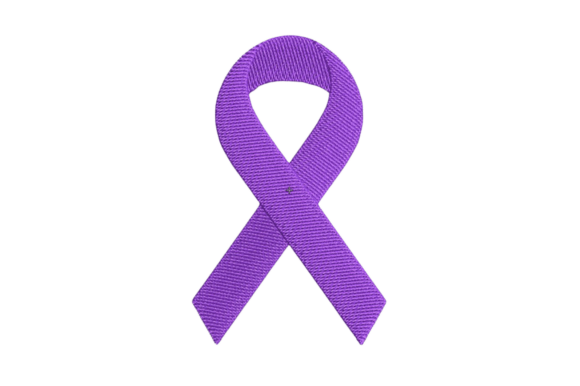
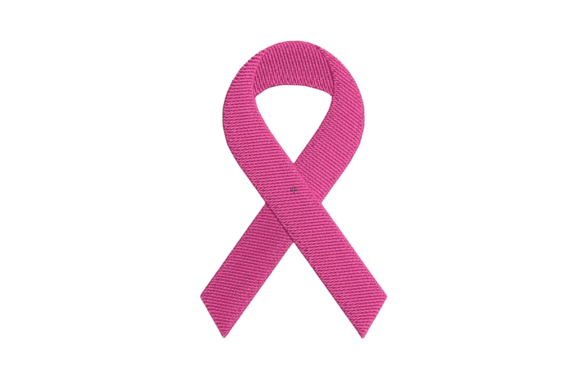
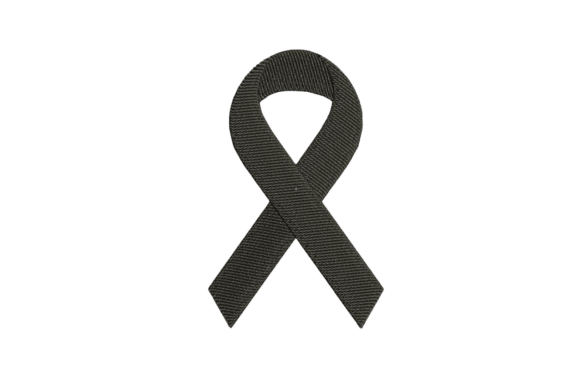
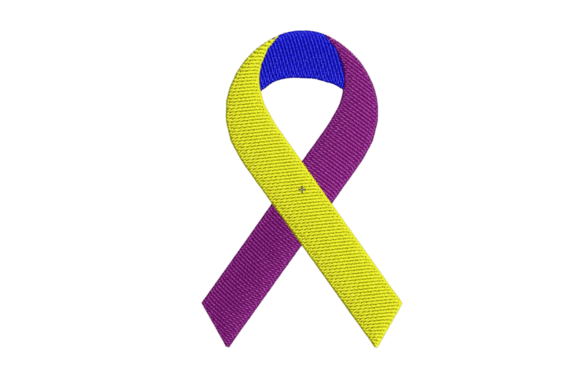
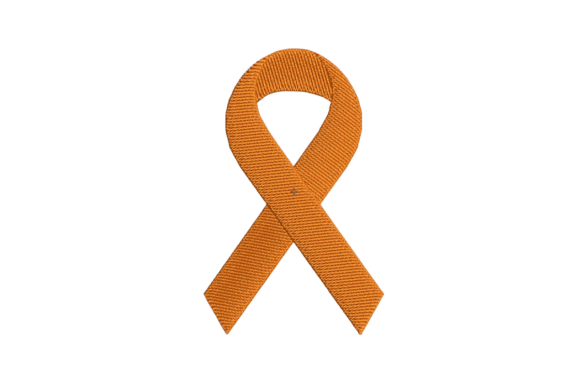
The first thing that strikes you about the Kidney Cancer Ribbon Embroidery Design is its clarity. Featuring the distinctive green awareness ribbon, the design avoids unnecessary clutter, which is crucial for professional application. In the world of commercial embroidery, simplicity often equates to longevity. A design that is too busy can look messy when scaled down, but this ribbon motif maintains its integrity. It feels both modern and classic, striking a balance that allows it to fit into various branding styles, from rustic handmade shops to sleek, contemporary boutiques.
The color palette is inherently defined by the cause it supports. The green hue is vibrant yet soothing, making it versatile for different fabric backgrounds. When I visualize this as part of a brand identity, it communicates empathy and community support. For businesses that want to align themselves with health awareness or community causes, this design serves as a powerful visual statement without being overly aggressive. It is decorative enough to be fashionable but serious enough to command respect.
Real-World Applications for Small Business Merch
For small business owners, the versatility of a digital embroidery file is paramount. I evaluated how this specific ribbon design would perform across common merchandise items. Here is where it shines:
- Embroidered Patches: This is perhaps the strongest use case. The ribbon shape is self-contained, making it ideal for iron-on or sew-on patches. These can be sold as standalone accessories or added to jackets and bags, increasing the perceived value of the finished product.
- Apron Embroidery: For cafés, bakeries, or florists that want to show community support, placing this design on the chest pocket of staff aprons is subtle yet impactful. It turns uniform pieces into conversation starters.
- Cap Embroidery: The compact nature of the ribbon works well on the front panel of baseball caps. However, curvature must be considered during hooping to ensure the design does not distort.
- Tote Bag Design: Canvas totes are popular eco-friendly merchandise. The green ribbon contrasts beautifully against natural canvas or dark cotton, making it a great option for event merch or customer gifts.
- Custom Apparel: Whether on work shirts or casual tees, the design acts as a recognizable symbol. It allows customers to wear their support proudly, fostering a sense of connection with the brand.
When integrating this into your small business merch lineup, consider creating bundles. For example, offer a tote bag with a matching patch. This strategy increases average order value while providing customers with multiple ways to display the inspirational message.
Technical Considerations and Production Notes
While the design is visually appealing, technical execution is where many projects fail. As a designer, I must highlight several areas where caution is needed. The success of any embroidery file depends heavily on the interaction between thread, fabric, and stabilizer.
Stitch Density and Fabric Texture: If the digitizing has high stitch density, it may cause puckering on lightweight fabrics like thin cotton t-shirts. Always test on a scrap piece of the actual fabric you intend to use. For textured fabrics like fleece or towels, ensure the underlay stitches are sufficient to anchor the design properly. If the design feels stiff after embroidery, the density might be too high for flexible apparel.
Small Patch Sizes and Detail: If you plan to shrink this design for tiny labels or small jewelry pouches, check the legibility. Fine details can get lost if the hoop size is too small relative to the complexity of the satin stitches. I recommend creating a printable mockup at the intended scale to verify that the ribbon’s curves remain smooth and distinct.
Thread Colors and Contrast: The green ribbon needs to pop. On dark uniforms, such as navy or black, ensure you are using a bright, high-contrast green thread. On light fabrics, a darker forest green might provide better definition. Always run a test stitch-out to confirm that the thread colors match your brand’s visual consistency.
Stabilizer Selection: Do not skip this step. For caps, use a stiff backing to prevent the fabric from collapsing under the needle. For stretchy knits, a cut-away stabilizer is essential to maintain the shape of the ribbon over time, especially after frequent washing.
Enhancing Brand Identity and Customer Trust
Incorporating the Kidney Cancer Ribbon Embroidery Design into your product line does more than just add a graphic; it enhances your brand identity. Customers today are drawn to businesses that demonstrate social responsibility and empathy. By offering products that support awareness, you build trust and emotional engagement.
This design can serve as a cornerstone for seasonal campaigns or ongoing charitable initiatives. It signals to your audience that your brand cares about more than just profit. This perception of professionalism and care can significantly boost buyer engagement. When customers see a well-executed embroidered patch or a neatly stitched apron, they perceive higher quality. This attention to detail reflects positively on your entire catalog, encouraging repeat purchases.
Furthermore, using such designs in your marketing materials, such as social media posts featuring behind-the-scenes embroidery processes, can humanize your brand. Showcasing the creation of these design assets highlights the craftsmanship involved, justifying premium pricing for handmade or custom items.
Final Designer Recommendations
Before launching any commercial embroidery project with this design, follow these practical steps to ensure success:
- Test in Black and White First: Convert your mockup to grayscale to check for contrast issues. If the design loses its shape without color, it may need adjustment.
- Verify Commercial Licensing: Ensure that the license terms for the digital embroidery file allow for commercial use. Never assume; always read the fine print to protect your business legally.
- Check Hoop Size Compatibility: Confirm that the design fits within your machine’s standard hoop sizes without requiring excessive re-hooping, which can lead to misalignment.
- Create Client Mockups: If you are doing custom work for clients, provide a realistic digital mockup showing the design on the specific garment or item. This manages expectations and reduces revision requests.
- Compare with Other Assets: Place this ribbon design beside your existing logo or other graphics to ensure visual harmony. Consistency is key to a professional presentation.
In conclusion, the Kidney Cancer Ribbon Embroidery Design is a valuable addition to any embroiderer’s library. It is versatile, meaningful, and professionally viable when executed with care. By paying attention to technical details like stabilizer choice and stitch density, and by leveraging the design’s emotional resonance, small business owners can create compelling merchandise that stands out in the market. Whether for patches, caps, or aprons, this design offers a respectful and stylish way to promote awareness while enhancing your brand’s reputation for quality and compassion.