Reviewing the Christmas Lights Frame Embroidery Design
As an embroidery designer who has spent years refining digital patterns for real-world application, I approach every new machine embroidery design with a critical eye. It is not enough for a pattern to look pretty on a screen; it must hold up under the needle, survive the wash, and resonate with the person receiving the finished piece. Recently, I tested the Christmas Lights Frame Embroidery Design to determine its viability for my upcoming holiday collection. My goal was simple: assess whether this festive motif could elevate standard personalized gifts into cherished keepsakes.
First Impressions: Mood and Aesthetic Appeal
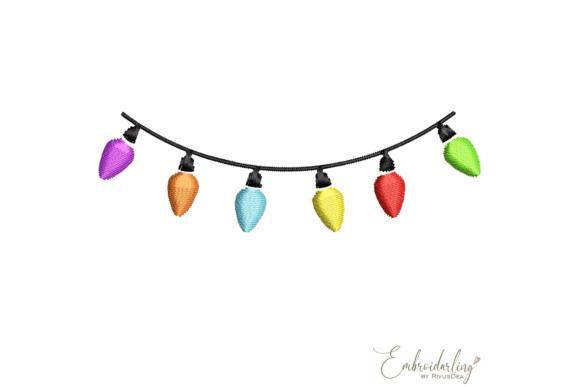
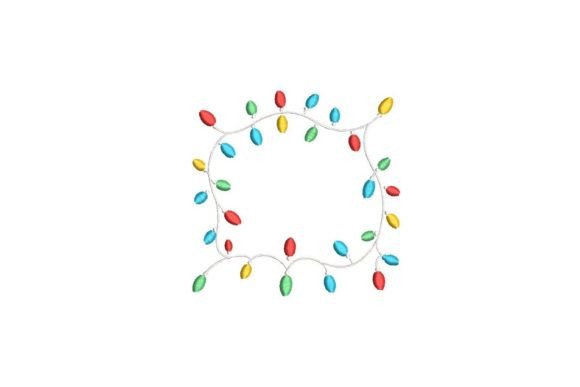
The moment I loaded the digital embroidery file into my software, the charm of the design was evident. The concept relies on a classic holiday motif—string lights—but arranges them in a framing structure that invites personalization within the center. This is a smart design choice. It feels both playful and elegant, striking a balance that appeals to a wide demographic. It does not scream "novelty"; instead, it whispers "homey comfort."
The detail level is moderate, which is crucial for versatility. If the stitches were too dense, the frame would become stiff and bulky. If they were too sparse, the lights would lack definition. In my initial test runs, the stitch density appeared well-calibrated for medium-weight fabrics. The emotional appeal is immediate; it evokes memories of cozy evenings and family gatherings, making it an ideal candidate for items meant to be displayed prominently in the home.
Versatility Across Product Categories
One of the strongest assets of this frame-style design is its adaptability. I explored several applications to see where the Christmas Lights Frame Embroidery Design would perform best.
- Kitchen Linens: On an embroidered towel, the frame creates a perfect border for a monogram or a short holiday greeting like "Joy" or "Noel." The open center ensures the text remains legible without competing with complex background stitches.
- Nursery and Baby Items: For baby embroidery, softness is paramount. I stitched this onto a plush blanket, ensuring I used a soft cut-away stabilizer to prevent irritation. The result was a sweet, seasonal accent that parents would appreciate without finding it overly juvenile.
- Home Decor: A pillow cover featuring this frame allows for creative customization. You can embroider a family name or the year inside the lights, turning a simple cushion into a yearly tradition.
- Apparel and Accessories: Tote bags and aprons benefit greatly from this design. It adds a touch of handmade quality to functional items, increasing their perceived value as handmade products.
Technical Considerations for Professional Results
While the design is charming, successful execution requires attention to technical details. As an Etsy seller or small shop owner, your reputation depends on the quality of the finished product. Here are the practical notes from my testing phase.
Fabric and Stabilizer Selection
The fabric texture plays a significant role in how the lights appear. On smooth cotton or linen, the stitches pop with clarity. However, on textured towels or fuzzy fleece, some finer details might get lost. I recommend running a test stitch on scrap fabric that matches your final material. Always pair the design with the appropriate stabilizer. For stretchy fabrics like baby clothes, a stabilizer is non-negotiable to prevent puckering.
Hoop Size and Placement
Before purchasing, you must confirm the available hoop size options for this specific file. Since this is a frame, centering is critical. If the hoop is too small, you may lose part of the border. If it is too large, you might struggle with alignment. I suggest creating a printable mockup to visualize the placement on your specific item, whether it is a curved mug sleeve or a flat tote bag.
Thread Color Contrast
The magic of Christmas lights lies in their glow. To achieve this effect digitally, thread choice is key. Use high-sheen rayon or polyester threads for the bulbs to mimic light reflection. Ensure there is sufficient contrast between the wire of the string and the background fabric. On dark fabric, use lighter threads for the wire; on light fabric, go darker. Test your thread colors beforehand to avoid a muddy appearance.
Commercial Viability and Customer Trust
For those using this for commercial embroidery, the design offers strong giftability. Customers are often looking for unique, personalized items that feel special. A generic snowflake is common; a custom name framed by glowing lights feels intentional and thoughtful. This increases customer trust and encourages repeat business.
However, you must verify the licensing terms. Most designers offer different licenses for personal versus commercial use. Ensure you have the right to sell custom embroidery items made with this embroidery file. Check if the designer requires attribution or limits the number of physical items you can produce. Never assume; always read the terms provided with the download.
Challenges and Where to Be Careful
No design is perfect for every scenario. There are specific instances where you should exercise caution with the Christmas Lights Frame Embroidery Design.
- Small Lettering: If you plan to fill the center with long sentences, the text may become illegible. Keep internal text short and bold.
- Curved Surfaces: Stitching on highly curved areas, like the toe of a sock or a tight hat brim, can distort the frame shape. Use a frame-only application on flatter sections of these items.
- Frequent Washing: Items like kitchen towels undergo rigorous washing. Ensure your stitch count is secure and use high-quality threads to prevent fraying over time.
- Delicate Details: If the design includes very fine connections between lights, they may break on loose-weave fabrics. Reinforce these areas if necessary during the digitizing review process.
Final Verdict for Makers and Sellers
The Christmas Lights Frame Embroidery Design is a robust addition to any holiday portfolio. It bridges the gap between traditional seasonal decor and modern personalization. For wedding gift designers, it can be adapted for winter weddings. For small shop product lines, it offers a cohesive look across various items like blankets, aprons, and pillows.
My advice is to start with a single test run on your most common fabric type. Check the back of the stitching for neatness, trim any jumps, and assess the overall drape of the fabric. If the result is clean and the lights seem to glow, you have a winner. This design supports the narrative of care and craftsmanship that buyers seek in personalized gifts. By paying attention to stitch density, fabric choice, and color contrast, you can transform a simple digital file into a tangible expression of holiday warmth.
Remember, the best embroidery designs are those that disappear into the fabric, leaving only the emotion and the message. This frame achieves that balance, making it a reliable choice for your next Christmas production run.