Reviewing the Bumble Bee Embroidery Design
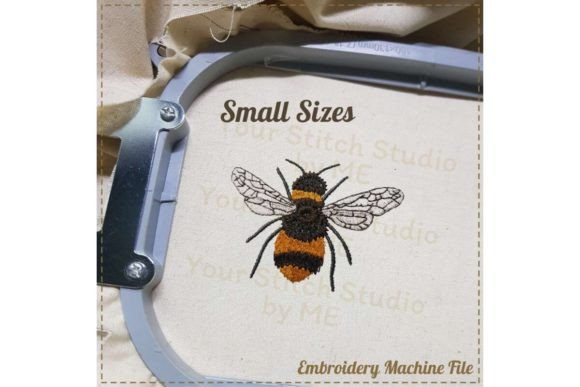
As a designer who has spent years tweaking digitized files and watching them come to life on fabric, I approach every new machine embroidery design with a mix of curiosity and caution. We all know that what looks perfect on a screen does not always translate seamlessly to thread and needle. Recently, I had the chance to evaluate the Bee Embroidery Design- Bumble Bee, and I want to share my practical insights for those of you looking to incorporate this motif into your craft business or personal projects.
First Impressions and Visual Personality
The moment I loaded the file, the charm of the bumble bee was evident. It is not just a generic insect outline; it carries a playful yet polished aesthetic that fits well within the current trend of nature-inspired decor. The layout feels balanced, avoiding the cluttered look that sometimes plagues complex Bugs category designs. For an Etsy seller or boutique owner, visual appeal is the first hurdle. This design clears it by offering a recognizable silhouette that remains clear even from a distance.
The mood it creates is warm and inviting. It suggests spring, gardening, and handmade care. When I imagined this stitched onto a canvas tote, it didn’t feel like mass-produced merchandise. Instead, it felt like a thoughtful personalized gift. The visual personality is friendly without being childish, which broadens its potential market from nursery decor to adult apparel.
Real-World Application: The Tote Bag Test
To truly understand how an embroidery file performs, you have to think beyond the digital preview. I envisioned using this design for a custom order: a heavy-duty cotton tote bag for a local farmer’s market vendor. This is a common request for small shop products. The question was whether the bee would hold up against the textured weave of the canvas.
In this scenario, the design’s structure matters. If the stitch density is too low, the fabric shows through, making the image look sparse. If it is too high, the fabric puckers. Based on the visual weight of the bee, it appears suited for medium-density stitching. For a project like this, I would recommend using a cut-away stabilizer to ensure the design remains crisp after repeated washing and heavy use. The result would likely be a durable, professional-looking tote bag design that enhances the brand identity of the buyer.
Versatility Across Product Lines
One of the strongest assets of this bumble bee motif is its adaptability. It is not confined to one type of product. Here is how it translates across different items:
- Custom Apparel: On a sweatshirt, the bee can serve as a left-chest logo or a larger back print. The rounded shapes of the bee lend themselves well to satin stitch borders, which provide a nice sheen against matte fleece.
- Baby Items: For baby onesies or burp cloths, the softness of the theme is ideal. However, you must ensure the backing is soft and non-irritating. A baby embroidery project requires extra attention to thread quality and stitch smoothness.
- Home Decor: Imagine this on a kitchen towel or a pillow cover. It adds a touch of whimsy to neutral spaces. As a holiday embroidery piece, it could easily be paired with floral elements for spring collections.
- Accessories: Caps and hats present a challenge due to the curved surface. This design seems compact enough to fit on a standard cap front without distortion, provided you use the correct hoop size and stiff stabilizer.
Technical Considerations for Designers
While the aesthetic is strong, practical execution requires diligence. Before running this on a client’s expensive garment, there are several technical factors to review. Since the product description notes that this machine embroidery design comes with multiple embroidery file formats, you have the flexibility to choose the right version for your machine. However, you must verify the specific hoop size requirements for each format.
Stitch density is critical. If you are stitching on thin fabric, such as a lightweight t-shirt, you risk pull-in or puckering if the density is too aggressive. I always advise testing the design on scrap fabric first. Use the same material and stabilizer combination you plan to use for the final product. This simple step saves time and prevents wasted materials.
Another key factor is thread color contrast. The bee likely relies on yellow and black threads. On dark fabrics, ensure your yellow is vibrant enough to stand out. On light fabrics, check that the black outlines are sharp and not muddy. Testing in black and white mockups can help you assess the structural clarity of the design without the distraction of color.
Navigating Fabric Challenges
Not all fabrics behave the same way. Textured fabrics like linen or toweling can obscure fine details. If this design includes tiny elements or intricate running stitch work, they might get lost in the texture. In such cases, consider scaling the design up slightly or simplifying the background. For stretchy fabrics, proper hooping and stabilization are non-negotiable to prevent distortion of the bee’s shape.
For commercial embroidery projects, consistency is key. If you are producing a batch of fifty shirts, every bee needs to look identical. Check your machine’s tension settings and ensure your thread path is clean. A well-digitized design should minimize thread breaks and jumps, but machine maintenance plays a huge role in the final outcome.
Enhancing Brand Value and Customer Trust
For creative entrepreneurs, the choice of design assets reflects on your brand. Using a high-quality, well-tested design like the Bee Embroidery Design- Bumble Bee signals professionalism. Customers may not know the technical details of stitch counts, but they recognize quality when they see it. Clean edges, consistent fill, and no loose threads build trust.
When you offer this as part of a small shop product line, it contributes to a cohesive brand story. Whether you are selling digital embroidery files or finished goods, the perceived value increases with the quality of the execution. A well-stitched bee on a tote bag can justify a higher price point than a poorly executed one. It transforms a simple item into a desirable handmade product.
Final Practical Notes
Before you commit to a large production run or list this in your online store, take these final steps:
- Check Licensing: Confirm whether the license allows for commercial use of finished items. Some designers restrict the sale of digital files but allow the sale of physical products. Always read the terms.
- Inspect Small Details: Zoom in on the digital file. Are there any unnecessary jump stitches? Is the underlay sufficient? These details affect the longevity of the embroidery.
- Test on Various Backgrounds: Stitch the bee on both light and dark fabrics to ensure versatility. This helps you market the design more effectively.
- Consider Seasonality: While bees are associated with spring and summer, they can be part of year-round nature collections. Plan your marketing accordingly.
In conclusion, the Bee Embroidery Design- Bumble Bee offers a charming and versatile option for designers and makers. With careful attention to fabric choice, stabilization, and testing, it can become a staple in your portfolio. Whether you are creating a custom apparel line, decorating home goods, or crafting unique gifts, this design has the potential to delight customers and elevate your work. Remember, the best embroidery is not just about the design itself, but how thoughtfully it is applied to the material world.