Review: Halloween Ghost Embroidery Design for Real Projects
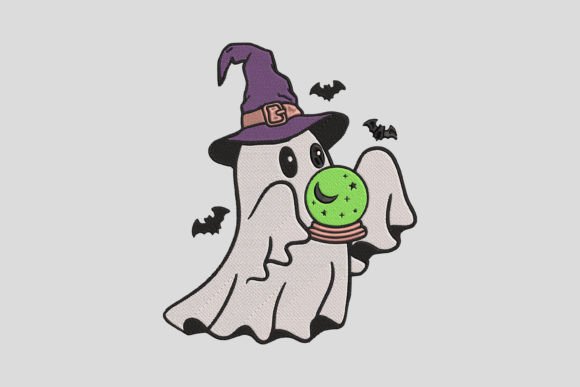
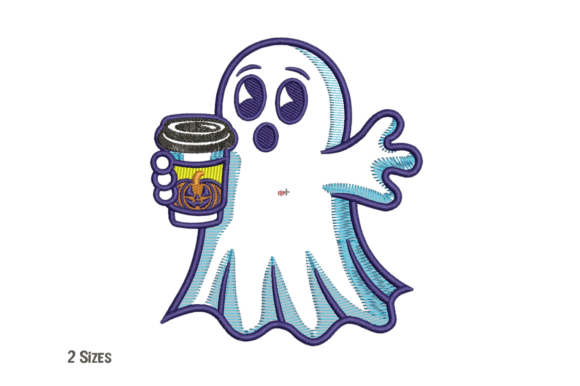
As a designer who has spent countless hours digitizing and stitching out thousands of files, I approach every new machine embroidery design with a mix of curiosity and skepticism. We have all been there: you download a cute graphic, load it onto your machine, and hope for the best. But when you are running a craft business or creating personalized gifts for clients, hope is not a strategy. You need reliability, clarity, and visual impact. Recently, I evaluated the Halloween Ghost Embroidery Design, specifically the version featuring a ghost holding a pumpkin-themed cup, to see if it holds up in real-world production.
First Impressions: Mood and Visual Personality
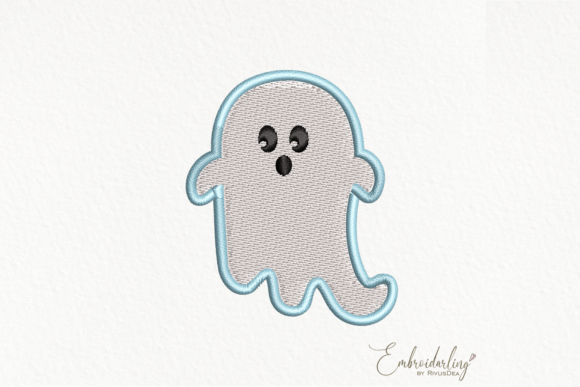
The first thing that strikes you about this embroidery file is its playful demeanor. Halloween designs often lean heavily into the scary or the overly complex, but this piece opts for charm. The central figure is a classic, rounded ghost shape, which is inherently friendly and approachable. By having the ghost hold a pumpkin-themed cup, the design immediately suggests warmth and seasonal comfort rather than just spookiness. This mood is crucial for certain markets. If you are selling baby embroidery items or family-friendly holiday embroidery decor, a terrifying specter will not sell. This design, however, fits perfectly into the "cozy autumn" aesthetic that dominates social media and boutique shops every October.
The layout is compact and balanced. The ghost serves as the primary anchor, while the cup adds a secondary point of interest without cluttering the composition. For an embroidery project intended for small goods like tea towels or baby onesies, this compact footprint is a significant advantage. It does not require a massive hoop, making it versatile for various hoop size constraints.
Real-World Application: From Sweatshirts to Tote Bags
To truly test the viability of the Halloween Ghost Embroidery Design, I imagined it in several common small shop product scenarios. The most obvious application is sweatshirt embroidery. A heather grey or orange crewneck sweatshirt provides an excellent canvas. The light color of the ghost contrasts beautifully against mid-tone fabrics, ensuring the design pops without needing excessive underlay or backing adjustments.
I also considered this design for a tote bag design. Canvas bags are sturdy, but they have a visible weave. A design with too many fine details can get lost or cause puckering on textured materials. However, because this ghost features bold shapes and likely utilizes fill stitch techniques for the body and satin stitch for the outlines or cup details, it should translate well to heavier fabrics. The simplicity of the lines means the stitching remains clear even on rougher fabric texture surfaces.
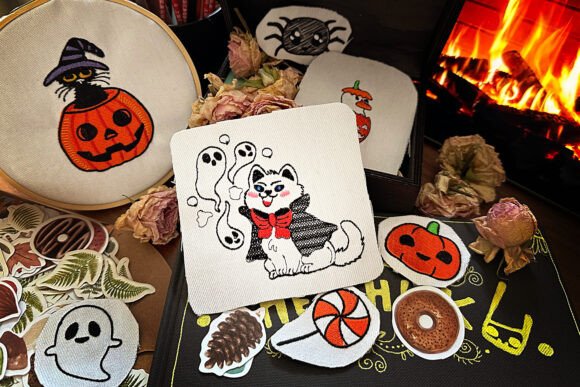
For Etsy sellers looking to expand their design assets, this image works wonderfully for embroidered patch creation. Patches require dense stitching and clean edges to prevent fraying after cutting. If the digitizer has used a proper border or running stitch outline, this ghost could become a best-selling iron-on or sew-on accessory. It is small enough to be cost-effective in terms of thread usage and machine time, which directly impacts your profit margin.
Technical Considerations and Stitching Performance
While the aesthetic is appealing, the technical execution determines whether a design is a joy to stitch or a nightmare. When reviewing any digital embroidery file, I look closely at stitch density. Too dense, and you risk perforating thin fabrics or causing the material to pucker. Too sparse, and the background fabric shows through, ruining the professional look of the finished product.
In the case of this ghost holding a pumpkin cup, the large white areas of the ghost’s body likely rely on standard fill patterns. It is essential to check the direction of these fills. If the stitches run horizontally across a curved surface, like a cap, you might experience distortion. For custom apparel like hats, you may need to adjust the pull compensation or use a stiffer stabilizer to maintain the ghost’s rounded shape.
Another critical factor is color contrast. The design presumably uses white or off-white for the ghost and orange for the pumpkin elements. On dark fabrics, such as navy or black hoodies, you must ensure the white thread is high-quality and bright. Cheap white thread can appear grey or dull, diminishing the crispness of the design. I always recommend testing your thread colors on scrap pieces of the exact fabric you intend to use. This simple step saves hours of unraveling and re-stitching later.
Where to Use Caution
No design is universal, and the Halloween Ghost Embroidery Design has its limitations. I would advise caution when using this on highly stretchy fabrics like jersey knits without proper cut-away stabilizer. The weight of the fill stitches can cause the fabric to warp, distorting the ghost’s cute expression. Similarly, avoid placing this design on areas of garments that undergo extreme friction, such as the inner elbow of a sleeve, unless you are using durable polyester threads.
If you are planning to use this for commercial embroidery on items that will be washed frequently, such as kitchen towels or baby clothes, verify the stitch anchoring. Small details, like the handle of the pumpkin cup or the ghost’s eyes, are prone to snagging if they are not properly tied off or if the stitch count is too low for durability. Always wash-test your first sample to ensure the design holds up to laundering.
Enhancing Brand Value and Customer Trust
From a business perspective, the quality of your embroidery directly influences customer trust. A clean, well-digitized design like this one signals professionalism. When a customer receives a handmade product with crisp edges and no loose threads, they are more likely to leave a positive review and return for future purchases. This design’s adorable nature makes it highly "giftable," increasing its appeal for personalized gift markets.
Furthermore, using consistent, high-quality design assets helps build brand consistency. If your shop specializes in whimsical holiday items, this ghost fits seamlessly into a broader collection. It allows you to create cohesive printable mockup images for your online store, showcasing the design on various products without needing to physically stitch every single item for photography.
Practical Designer Notes for Implementation
Before you commit to producing a large batch of items using the Halloween Ghost Embroidery Design, follow these practical steps:
- Test on Scrap Fabric: Always stitch a sample on the same type of fabric you plan to use for production. Check for puckering, thread breaks, and color accuracy.
- Check Stabilizer Compatibility: Use a tear-away stabilizer for woven fabrics and a cut-away for knits. The right stabilizer ensures the design remains flat and true to shape.
- Verify Licensing: Ensure you understand the license terms associated with the embroidery file. Most designers allow you to sell physical finished product items, but restrictions may apply to sharing the digital file itself.
- Inspect Small Details: Zoom in on the digitizing software if possible. Look for unnecessary jump stitches or overlapping colors that could add bulk.
- Contrast Check: View your design in black and white on your computer screen. If the details disappear in grayscale, the contrast may be too low for certain fabric combinations.
In conclusion, the Halloween Ghost Embroidery Design is a strong contender for your autumn lineup. It balances cuteness with technical simplicity, making it suitable for a wide range of embroidery projects. By paying attention to fabric choice, stabilizer selection, and thread quality, you can transform this digital file into a standout small shop product that delights customers and enhances your brand’s reputation for quality craftsmanship.