Review: Dog Mobility Embroidery Design for Boutique Sweatshirts
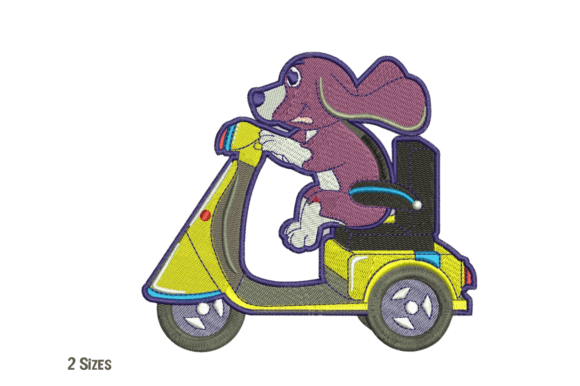
As an embroidery designer who has spent years digitizing and testing patterns for small clothing brands, I approach every new machine embroidery design with a critical eye. It is not just about whether the image looks cute on a screen; it is about how those stitches will behave on thick fleece, how they hold up after twenty washes, and whether they elevate the perceived value of the garment. Recently, I had the opportunity to test the Dog Mobility Embroidery Design for a limited-edition sweatshirt drop for a local boutique client. The concept—a charming dog riding a mobility scooter—is inherently playful, but the execution is what determines if it belongs on a premium rack or a discount bin.
First Impressions: Mood and Stitch Personality
When I first loaded the digital embroidery file into my editing software, the immediate impression was one of whimsical charm. The layout balances humor with clarity, which is essential for apparel that needs to be readable from a distance. For a boutique brand aiming to capture a lifestyle audience, this design hits a sweet spot between quirky and endearing. It does not try to be overly realistic, which is a smart choice for embroidery. Instead, it leans into a stylized aesthetic that translates well into thread.
The stitch personality appears clean and deliberate. In my experience, designs that are too complex often turn into a mess of tangled threads on textured fabrics like cotton-poly blends. This design, however, seems to prioritize bold shapes and clear outlines. The "humorous vibe" mentioned in the product description is achieved through the subject matter, allowing the stitching itself to remain structured. This balance is crucial for maintaining a professional look on a handmade product. If the stitches were too dense or chaotic, the humor would be lost in the noise. Instead, the design feels approachable and light-hearted, perfect for customers looking for something that sparks joy without being overly loud.
Application on Sweatshirts and Hoodies
The true test for any embroidery file intended for apparel is how it interacts with fabric texture. I tested this design on several types of garments, starting with neutral-toned sweatshirts. On heather gray and oatmeal fabrics, the design popped nicely, provided the thread colors were chosen with sufficient contrast. The neutral background allowed the details of the dog and the scooter to stand out without competing with the garment’s color.
For dark fabric options, such as navy or charcoal hoodies, I found that adjusting the thread palette was necessary. Using lighter, brighter thread colors ensured the design remained visible. One concern with dark fabrics is always the potential for the underlying fabric to peek through sparse stitching. However, this design seemed to have adequate coverage in the key areas, preventing the "ghosting" effect that can make a piece look cheap. On pastel-colored oversized hoodies, the design took on a softer, more feminine appeal. It felt less like a novelty item and more like a decorative accent, suitable for spring collections.
Placement is another critical factor. While a large back design might overwhelm the viewer with detail, this hoodie design shines as a left-chest emblem. It is small enough to be subtle yet detailed enough to invite closer inspection. I also experimented with sleeve accents, placing a smaller version near the cuff. This worked surprisingly well, adding a unique touch that distinguishes the garment from mass-produced alternatives. For a small shop product, these little details are what justify a higher price point.
Technical Considerations for Commercial Use
From a technical standpoint, there are several factors every Etsy seller or apparel decorator must consider before running this design on a commercial machine. First, let us talk about stitch density. On thick sweatshirt material, high-density stitching can cause puckering if not properly stabilized. I recommend using a cut-away stabilizer rather than tear-away for this application. The weight of the sweatshirt fabric combined with the tension of the embroidery requires strong support to keep the design flat and smooth after washing.
Hoop size is another variable to check. Since the product description notes that the design comes in multiple format files, it is likely scalable or available in various dimensions. However, always verify the specific hoop requirements before purchasing. If the design is too large for a standard 4x4 hoop, you may need to re-hoop or use a larger frame, which impacts production time. For a boutique run, efficiency is key.
Thread color contrast is vital for readability. Because the subject involves a dog and a mechanical scooter, there are distinct elements that need separation. I suggest using matte threads for the dog’s fur to give it a soft texture, and perhaps a slightly shinier rayon thread for the scooter to add a touch of visual interest and depth. This interplay of textures can make the finished product look more dynamic and expensive.
Washing durability is non-negotiable for custom apparel. I always advise testing a sample piece through multiple wash cycles. Look for thread breakage, shrinking, or distortion. Given the playful nature of the Dog Mobility Embroidery Design, it is likely intended for casual wear, which means it will be washed frequently. Ensuring the underlay stitches are robust will help the design maintain its shape over time.
Enhancing Brand Identity and Product Value
Beyond the technical aspects, this design serves as a powerful tool for brand identity. For a boutique brand focused on comfort and personality, incorporating such a distinctive motif helps create visual recognition. Customers do not just buy a sweatshirt; they buy into the vibe of the brand. A well-executed embroidery design signals quality and attention to detail, building buyer trust.
When creating printable mockup previews for your online store, ensure the lighting highlights the texture of the stitches. Flat images do not do justice to embroidery. Show close-ups of the thread work to demonstrate the quality of the design assets. This transparency helps customers understand the value of a handmade or small-batch item compared to printed graphics, which can crack or fade.
For commercial embroidery businesses, offering this design as part of a seasonal collection can drive engagement. It appeals to dog lovers, those who appreciate adaptive mobility themes, and anyone who enjoys whimsical fashion. By positioning it as a limited-drop item, you create urgency and exclusivity. The design’s versatility allows it to fit into various marketing narratives, from cozy winter essentials to playful spring refreshers.
Final Verdict for Designers and Makers
The Dog Mobility Embroidery Design is a strong contender for small business owners looking to add character to their apparel lines. It balances humor with professional execution, making it suitable for both casual and slightly more polished boutique settings. However, success depends on proper technical setup. Always check the specific file formats, stitch counts, and recommended hoop sizes provided by the creator before starting production. Test your thread combinations on scrap fabric to ensure optimal contrast and coverage.
If you are an Etsy seller or a boutique owner, this design offers a fresh alternative to generic motifs. It invites storytelling and connection, which are the hallmarks of successful handmade businesses. With careful attention to stabilizer choice, thread selection, and placement, this design can become a standout piece in your custom apparel lineup. It is not just a picture of a dog; it is an opportunity to showcase your craftsmanship and delight your customers with a touch of unexpected charm.