Review: Christmas Snowman Embroidery Tumbler Design
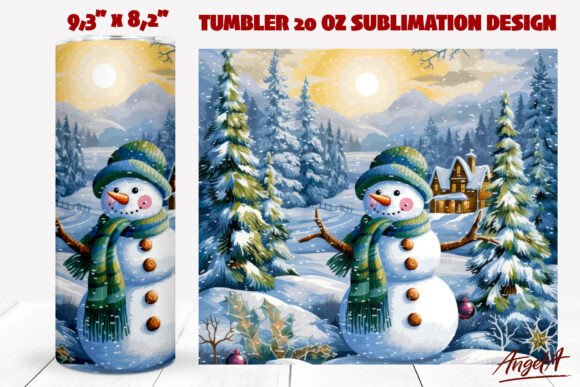
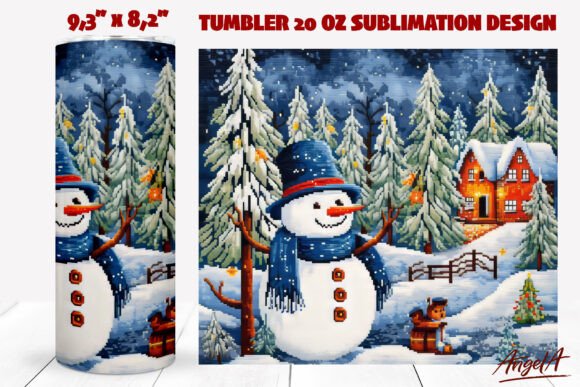
As a designer who spends half my life staring at stitch maps and the other half troubleshooting tension issues, I approach every new machine embroidery design with a mix of curiosity and skepticism. We have all been there: you download a file that looks stunning on the screen, only to watch it turn into a puckered mess on actual fabric. Today, I am taking a close look at the Christmas Snowman Embroidery Tumbler. While the product title suggests a sublimation wrap for 20 oz skinny tumblers, we are evaluating this strictly as a visual asset for embroidery projects. The description notes it is an AI-generated PNG featuring a winter forest, a snowman, and a Christmas house in an embroidery style. Let’s break down how this graphic translates to real-world stitching.
First Impressions: Mood and Visual Personality
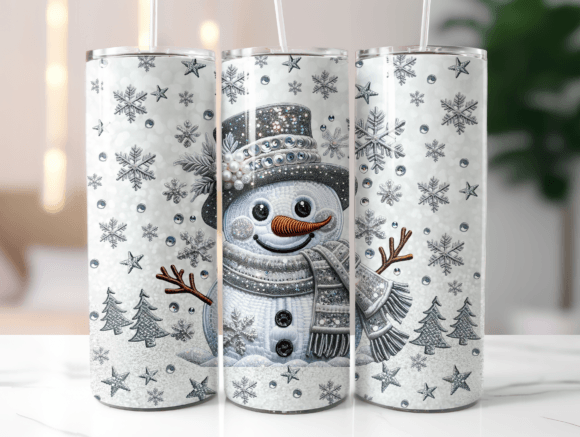
The immediate appeal of the Christmas Snowman Embroidery Tumbler lies in its nostalgic warmth. The composition—a cozy Christmas house nestled in a winter forest with a friendly snowman—evokes the kind of hygge atmosphere that sells well during the holiday season. From a design perspective, the "embroidery style" aesthetic is crucial here. Since this is provided as a PNG rather than a native embroidery file (like PES or DST), the visual texture is simulated. This means the designer has already done the heavy lifting regarding color placement and shading, mimicking the look of fill stitch work and satin stitch borders.
For an Etsy seller or craft business owner, this mood is gold. It fits perfectly into the current trend of rustic, handmade holiday decor. However, because it is a raster image (PNG) meant to mimic embroidery, our job as digitizers or applique artists is to interpret these visual cues into actual thread work. The layout feels balanced, with the snowman likely serving as the focal point, anchored by the structural lines of the house and trees.
Real-World Application: Beyond the Tumbler
Although categorized under Tumbler Wraps and Graphics, let’s talk about where this design actually shines in a finished product context. If I were preparing a custom order for a client, I would not limit this to sublimation. Imagine this scene stitched onto a heavy-weight cream tote bag. The tote bag design market is saturated, but a unique, story-driven scene like this stands out. The winter forest background provides enough density to hide minor fabric imperfections, while the snowman offers a high-contrast element that draws the eye.
Consider sweatshirt embroidery. A crewneck sweatshirt in heather grey or navy would provide an excellent canvas. The thread colors implied in the PNG—likely whites, blues, greens, and warm yellows for the house lights—would pop against dark fabrics. For baby embroidery, this could be adapted for a nursery pillow cover or a blanket border, provided we simplify the details. The "Christmas house" element adds a narrative touch that parents love for holiday photos. It transforms a simple item into a personalized gift with emotional resonance.
For those running a small shop product line, this design could also work as an embroidered patch. Patches are versatile; they can be ironed onto jackets, hats, or bags. By treating the PNG as a reference for an applique design, you could use felt or fleece for the house and snowman, reducing stitch count and production time while maintaining the visual impact. This is a smart move for commercial embroidery where speed and cost matter.
Technical Considerations and Stitching Clarity
Here is where we need to be realistic. Since the source is a PNG and described as "AI generated," it does not come with pre-defined stitch paths. You cannot simply load this into your machine. You must digitize it or use it as a template for applique. This distinction is vital for design assets usage. If you are a digitizer, the "embroidery style" look gives you a clear guide on where to place running stitch outlines versus dense fills.
Stitch density will be your biggest challenge. The winter forest background contains many small details—branches, snowflakes, roof tiles. If you attempt to stitch this entirely with fill stitches on a small hoop size, you risk creating a stiff, cardboard-like patch that may pucker the fabric. I recommend using a combination of techniques. Use satin stitches for the snowman’s scarf and hat brim to keep them flexible. Use textured fill stitches for the tree foliage to add depth without excessive density. For the house, consider applique fabric to reduce bulk.
Fabric choice matters immensely. This design would struggle on thin, stretchy fabrics like jersey t-shirts unless you use a very stable cut-away stabilizer. On textured fabrics like linen or canvas, the design will hold up beautifully. However, avoid using it on curved surfaces like caps unless you significantly simplify the background. The detailed corners of the Christmas house and the tiny elements of the forest may not translate well to the tight curvature of a cap panel, leading to registration errors.
Commercial Viability and Brand Consistency
From a business standpoint, the Christmas Snowman Embroidery Tumbler design has high potential for holiday embroidery collections. It enhances visual appeal and can increase the perceived value of your handmade product. Customers often associate intricate, scene-based designs with higher quality and effort, which justifies a higher price point. It builds customer trust because it looks professional and thoughtful, not like a generic clip-art slap-on.
However, consistency is key. If your brand focuses on minimalist, modern designs, this rustic scene might feel out of place. But if your branding leans toward traditional, cozy, or farmhouse styles, this is a perfect fit. It works well for printable mockups too. You can overlay this PNG onto product photos to show clients what the final embroidered item could look like, helping them visualize the giftability of the item before you even stitch a single thread.
Practical Designer Notes for Execution
Before you commit to a large batch of custom apparel or boutique branding items, follow these steps:
- Test on Scrap Fabric: Always stitch out a test sample on the same fabric type you plan to use for production. Check for puckering and thread breaks.
- Check Thread Color Contrast: The PNG shows specific shades. Ensure your physical thread inventory matches these tones closely, especially for the snowman’s features and the house lights.
- Review Stitch Density: If digitizing from scratch, keep the background elements lighter. Use running stitch for distant trees to save time and thread.
- Confirm Hoop Size: This scene likely requires a 5x7 or larger hoop to capture the full forest and house detail without cramming. Verify your machine’s capacity.
- Inspect Small Details: AI-generated images can sometimes have illogical lines. Clean up any ambiguous edges in your digitizing software to ensure clean stitch paths.
- Use Proper Stabilizer: For a design with this much detail, a medium-weight cut-away stabilizer is recommended for garments, while tear-away might suffice for stable home decor items like pillow covers.
- Licensing Check: Since this is an AI-generated PNG, confirm the license terms. Can you sell the finished embroidered items? Can you resell the digitized file? Never assume commercial rights without explicit confirmation.
In conclusion, the Christmas Snowman Embroidery Tumbler is a visually rich asset that, when interpreted correctly, can elevate your holiday product line. It requires technical skill to translate from a static image to a dynamic stitched piece, but the result can be a standout finished product that resonates with buyers looking for warmth and tradition. Treat it as a design prompt, respect the technical limits of your machine, and you will create something truly special.