Lion Machine Embroidery Design Review
As an embroidery designer who has spent years digitizing for small businesses and reviewing thousands of machine embroidery design files, I approach every new asset with a critical eye. It is not just about whether a motif looks cute on a screen; it is about how it performs under the needle, how it holds up after washing, and most importantly, how it elevates a brand’s identity. Recently, I evaluated the Lion Machine Embroidery Design, a file categorized under Baby Animals, to determine its viability for commercial use. While the category suggests a playful tone, the application potential for this specific design extends far beyond nursery decor, offering unique opportunities for boutique branding and custom apparel.
First Impressions: Balancing Charm and Professionalism
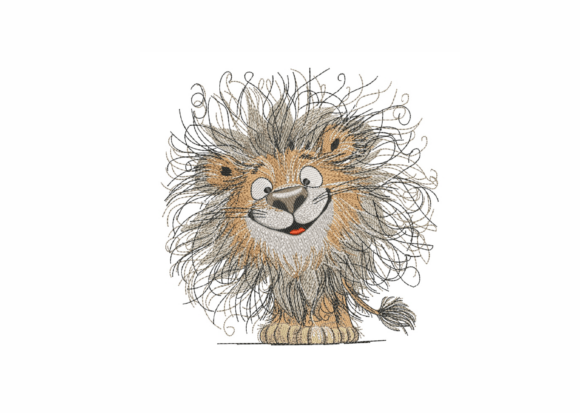
The immediate visual impact of the Lion Machine Embroidery Design is one of approachable warmth. The description notes that it adds a "joyful and charming touch," and this is evident in the digitizing style. For a small business owner, particularly those in the pet industry, bakeries, or creative studios, this aesthetic is invaluable. It does not scream corporate rigidity; instead, it invites engagement. However, charm must be balanced with precision. In my review, I looked closely at the line work and fill patterns. A design intended for branded merchandise must maintain its integrity when scaled down. The fact that this design comes in four sizes, with the smallest being 3.9 x 3.9 inches, suggests versatility, but it also raises questions about detail retention at that minimum dimension.
Strategic Applications for Small Business Merchandise
When considering where to deploy this embroidery file, we must look at the current trends in small business merch. The demand for personalized, high-quality items is higher than ever. Here is how I envision this lion design performing in real-world scenarios:
- Embroidered Patches: This is perhaps the strongest use case. An embroidered patch allows for quality control separate from the garment. You can stitch the lion onto a sturdy twill backing, cut it out, and then apply it to various products. This makes it ideal for creating a cohesive line of goods without re-hooping different fabrics constantly.
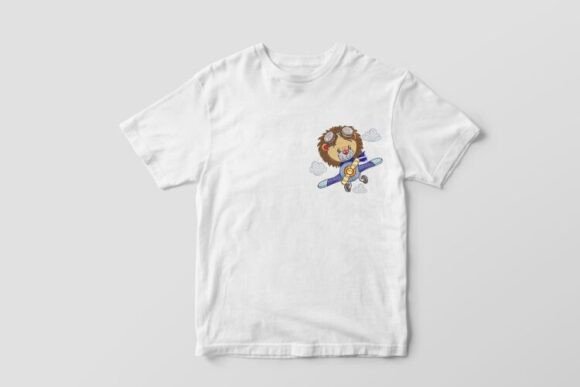
- Custom Apparel and Uniforms: For a local café or a pet grooming salon, staff uniforms are walking billboards. Placing this design on the chest pocket area of a work shirt or apron creates a friendly, professional image. The "Baby Animals" categorization implies a softer, less aggressive lion, which aligns perfectly with service-oriented businesses that want to appear welcoming.
- Cap Embroidery: Front-panel cap embroidery is a staple of streetwear and casual branding. However, the curved surface of a cap requires careful handling. The 3.9-inch width is likely the maximum you should attempt on a standard cap front to avoid distortion. It serves as an excellent accent for team hats or customer giveaways.
- Tote Bag Design: Canvas tote bags are a canvas for creativity. The lion design can serve as a central focal point. Because canvas has a distinct weave, the stitch density of the design must be sufficient to cover the fabric texture without sinking in, ensuring the logo remains crisp and recognizable.
Navigating Technical Challenges and Fabric Constraints
While the aesthetic appeal is clear, the technical execution of the Lion Machine Embroidery Design requires attention to detail. As a designer, I always advise testing before full production. Here are the critical factors to consider:
Stitch Density and Fabric Texture: If the design has high stitch density, it may pucker lightweight fabrics like jersey knits or silk blends. Conversely, if the density is too low, the underlying fabric color might show through, especially on dark uniforms. Always test on the actual fabric you intend to use. For textured fabrics like towels or heavy canvas, you may need a higher density or a satin stitch border to define the edges clearly.
Small Patch Sizes and Detail Loss: The 3.9 x 3.9 inch size is compact. At this scale, fine details such as whiskers or intricate mane textures may merge together. I recommend stitching a test sample at this smallest size to check for clarity. If the details become muddy, consider removing some underlay or simplifying the color palette to enhance contrast.
Stabilizer Selection: The choice of stabilizer can make or break the finished product. For stretchy fabrics like t-shirts, a cut-away stabilizer is essential to prevent the design from distorting over time. For woven fabrics like aprons or tote bags, a tear-away stabilizer might suffice, but a mesh top stabilizer could help keep the stitches smooth and prevent sinking into the fabric weave.
Enhancing Brand Identity and Customer Trust
In the world of handmade products and Etsy branding, visual consistency is key. Using a distinctive element like the Lion Machine Embroidery Design helps build brand recognition. When customers see this lion on your packaging, your social media posts, and your physical products, it creates a sense of reliability and professionalism. It transforms a generic item into a branded asset.
Moreover, the perceived value of an embroidered item is significantly higher than a printed one. The texture and depth of the threads convey quality and effort. This perception directly influences buyer engagement and willingness to pay a premium. Whether used as a subtle sleeve detail or a bold back piece, the design communicates that your brand cares about the details.
Practical Designer Notes for Production
Before you commit to a large run of commercial embroidery projects, follow these practical steps to ensure success with the Lion Machine Embroidery Design:
- Test in Black and White First: Stitch the design using only black thread on white fabric. This removes the distraction of color and allows you to focus purely on the shape, spacing, and stitch quality. If it looks good in monochrome, it will look great in color.
- Check Thread Color Contrast: Choose thread colors that contrast well with your base fabric. If you are stitching on a dark navy apron, ensure the lion’s features are bright enough to stand out. Avoid low-contrast combinations that make the design look dull from a distance.
- Create a Printable Mockup: Before stitching, use digital tools to create a printable mockup of the design on your intended product. This helps you visualize the placement and scale, allowing for client approval or internal review without wasting materials.
- Confirm Commercial Licensing: Always verify the license terms associated with the digital embroidery file. Ensure you have the right to use the design for commercial purposes, especially if you are selling the finished products or using them for business promotion.
- Compare with Other Design Assets: Place the lion design alongside your existing logos and branding elements. Does it complement your current visual identity? Consistency across all touchpoints strengthens your brand message.
Final Verdict for Merch Creators
The Lion Machine Embroidery Design is a versatile asset for small business owners looking to add a touch of personality to their merchandise. Its charm and adaptability make it suitable for a wide range of applications, from embroidered patches to custom apparel. However, success lies in the execution. By paying attention to stitch density, fabric choice, and proper stabilization, you can ensure that the final product reflects the high standards of your brand. Remember to check the specific hoop size requirements and file formats provided with the download, as these technical details are crucial for a smooth production process. When used thoughtfully, this design can become a signature element of your brand, fostering connection and trust with your customers.